Sump pump failure Kokomo basement: what to do first
Sump pump failure Kokomo basement: what to do first (and what can wait)
⏱️ 13 min read · Last updated: 2026
- Sump pump replacement in Kokomo typically costs $450–$1,100 installed (pump plus labor), as of 2026
- Battery backup sump pump systems run $300–$700 installed — compared to $10,000–$50,000 in typical basement flood damage (Insurance Information Institute)
- Indiana averages approximately 40 inches of annual rainfall, with peak storm season running March through June — the highest-demand period for any sump pump
- A sump pump’s average lifespan is 7–10 years; pumps running through multiple Kokomo spring seasons tend to wear toward the lower end of that range
- A failed check valve on the discharge line is one of the most common — and most overlooked — causes of a sump pump that runs constantly without clearing the pit
Three inches of standing water at 2 a.m. — that is what sump pump failure in a Kokomo basement actually looks like, and it moves fast on Howard County’s clay-heavy soil where drainage has nowhere else to go. The pump isn’t a convenience. It’s the only line of defense between a wet March and a ruined foundation.
The advice you’ve probably already found — check the float switch, reset the breaker — isn’t wrong. It’s just incomplete. It assumes a minor glitch, not a pump that quit during a sustained storm when you need answers in minutes, not in paragraphs. Here’s the actual decision tree.
What do I do when my sump pump fails during a Kokomo storm?
When your sump pump fails during a Kokomo storm, your first priority is electrical safety — not the pump. Water and live circuits in a basement create a genuine emergency, and that comes before any diagnosis or repair attempt.
Follow this sequence in order:
- Cut power to the basement at the breaker panel if water has reached any outlet, appliance, or the electrical panel itself. Do not wade into standing water near live circuits under any circumstances.
- Check the GFCI outlet (the outlet with the Test and Reset buttons) that the sump pump plugs into. Most basement outlets share a single GFCI circuit, and a tripped outlet kills the pump even when the breaker looks fine. The reset button is sometimes across the room from where the pump is.
- Check the float switch. Reach carefully into the sump pit and lift the float by hand. If the pump kicks on, the float was stuck — debris in the pit or walls that are too narrow are the usual culprits. Clear the obstruction and retest.
- Check the discharge line. In early spring, Kokomo temperatures can partially freeze the exterior discharge pipe. A blocked line means the pump runs but water has nowhere to go — and the motor burns out within minutes under that condition.
- If water is still rising, start manually removing water with a wet-dry vac or bucket while you arrange professional help. Every additional inch of water adds hydrostatic pressure against your foundation walls, and that pressure doesn’t stop when the rain does.
- Document everything before you touch it. Take photos and video of the water level, affected belongings, and the pump. Flood damage claims require documentation, and starting before water is removed gives you far stronger evidence.
- Call for professional help if water is above 2 inches and still rising. A wet-dry vac buys time — it doesn’t solve the underlying failure.
Quick check: If the pump is over 7 years old and the failure happened during a sustained storm rather than routine conditions, skip the troubleshooting and move straight to sump pump replacement — a repaired aging motor in that situation typically fails again within 12–18 months.
The first 20 minutes: how to stop damage from multiplying
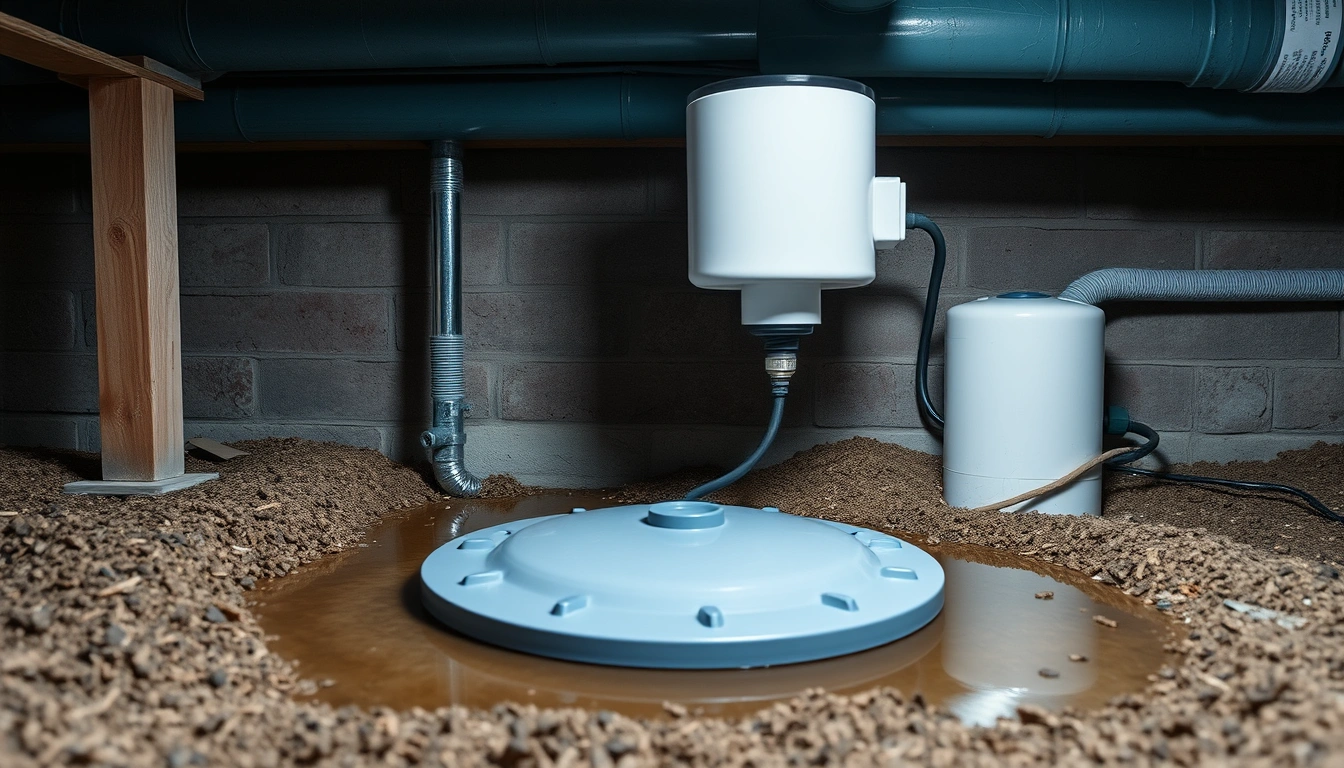
The first 20 minutes after discovering a failed sump pump determine most of the eventual damage cost. Water sitting on a concrete floor is manageable. Water that has soaked into drywall, wood framing, and insulation for several hours becomes a mold and structural problem that costs far more to fix than the flood itself.
Move or elevate anything off the floor immediately: cardboard boxes, furniture with fabric legs, electronics, and water heater bases. Pull up area rugs and carpet padding — both hold moisture for days and are rarely worth saving once saturated. Open windows only if outside humidity is lower than inside, which during an active storm is unlikely, but worth checking.
Even a modest 2 inches of basement flooding commonly results in $10,000 or more in cleanup and restoration costs, according to the Insurance Information Institute — which is why a battery backup sump pump installed for $300–$700 is one of the highest-return investments a Kokomo homeowner can make before storm season.
If you can’t immediately reach an emergency plumber Kokomo IN, focus on slowing secondary damage rather than diagnosing or fixing the pump in the middle of an active storm. A 12-gallon shop vac removes roughly 2 gallons per minute under good conditions — enough to meaningfully slow accumulation while you wait for professional support.
Quick check: If outside rain has stopped and inflow into the basement has slowed or stopped, you have time to breathe. The crisis shifts from emergency to assessment — and that’s when the real decision-making starts.
What causes sump pump failure in a Kokomo basement?
Sump pump failure in a Kokomo basement most often traces back to one of four causes: power interruption, a stuck or misaligned float switch, a failed check valve on the discharge line, or a pump that has simply reached the end of its 7–10 year lifespan. The right response depends entirely on which failure mode you’re dealing with — because the repair for a stuck float costs $20 and takes 10 minutes, while the fix for a dead motor costs $450–$1,100 and requires a plumber.
Here is what each failure looks like and where to start:
| Symptom | Most likely cause | First check |
|---|---|---|
| Pump does not run at all | Tripped GFCI or power loss | Reset GFCI outlet; check breaker panel |
| Pump runs but the sump pit won’t empty | Failed or stuck check valve | Check discharge line check valve for backflow |
| Pump runs constantly without clearing | Failed check valve or undersized pump | Inspect check valve first; then assess inflow rate |
| Pump hums but moves no water | Jammed impeller or failed capacitor | Disconnect and inspect impeller for debris |
| Pump turns on and off rapidly | Misaligned float switch or short-cycling | Adjust float position; confirm pit depth is adequate |
| Water drains back into pit after each cycle | Missing or failed check valve | Check valve replacement — $10–$30 for the part |
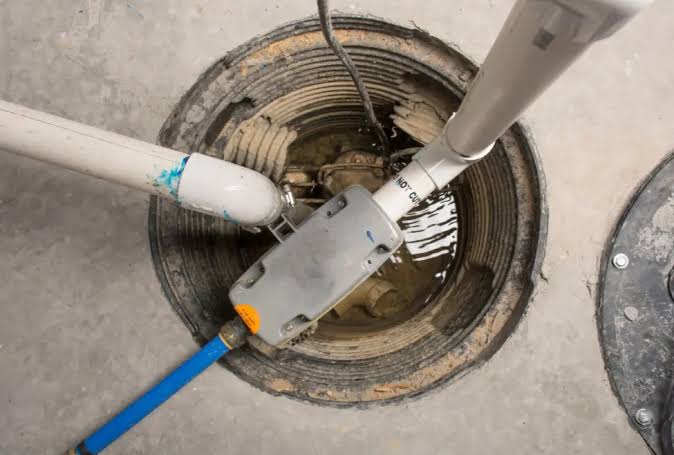
The check valve deserves extra attention because it is the single most overlooked component in a sump system. When the check valve fails, every gallon the pump moves drains back into the sump pit the moment the motor shuts off. The pump immediately senses water and runs again — continuously, until it overheats and seizes. The homeowner replaces the entire pump when a $15 valve was the actual problem.
A failed check valve is the most common reason a sump pump that was working fine last season suddenly “fails” — and check valve replacement at $10–$30 for the part often eliminates what looks like a complete pump failure.
Quick check: If your pump runs for 10 seconds, shuts off, and the water level in the sump pit immediately climbs back up, the check valve is your first and most likely suspect — not the pump motor.
Do I need a battery backup sump pump in Kokomo?
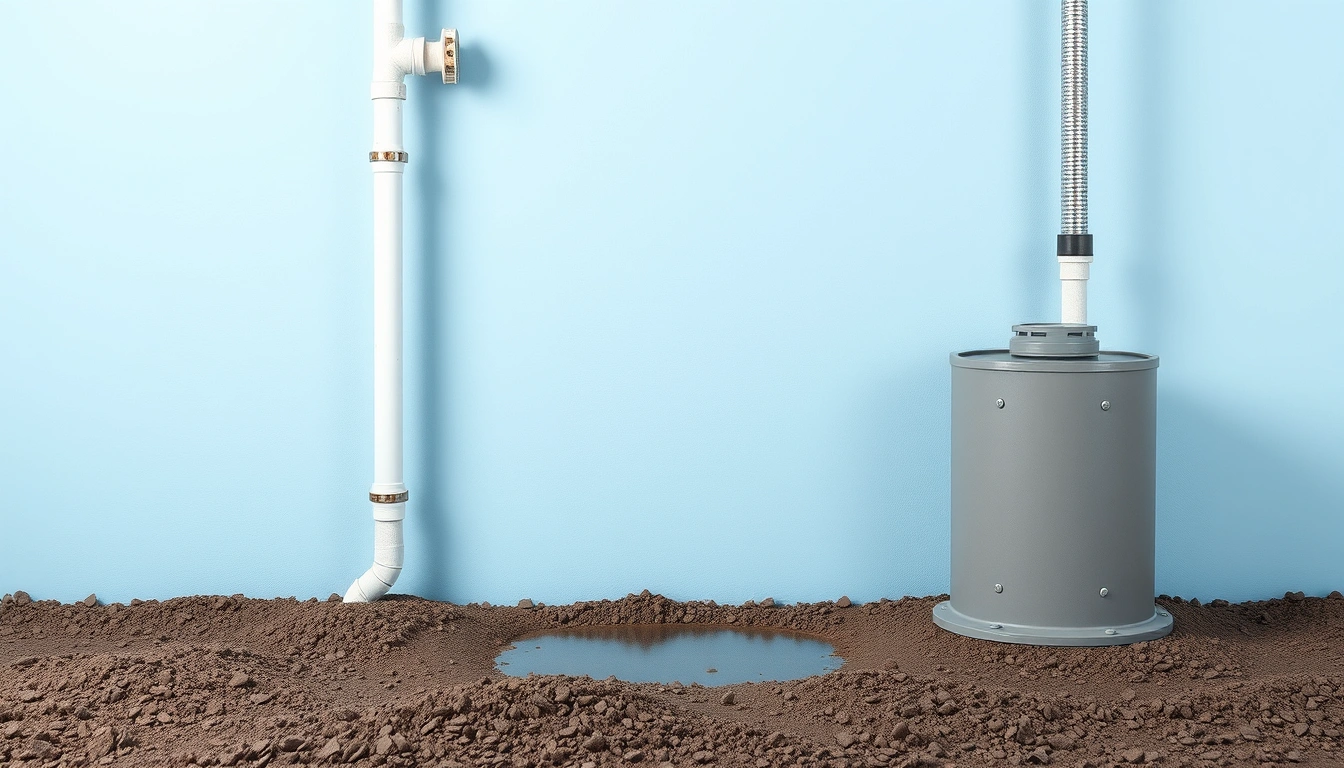
Yes — if your Kokomo basement has finished living space, a water heater, HVAC equipment, or a laundry setup, a battery backup sump pump is not optional insurance. It is basic risk management. The reason is specific to Kokomo’s storm pattern: the heaviest rainfall events here typically arrive with thunderstorms that knock out power, which means the exact moment your primary pump needs to work hardest is when it is most likely to lose electricity.
Indiana’s spring storm season produces regular power outages across Howard County. Running a primary pump without any backup in this environment is a calculated gamble that works until it doesn’t — and when it doesn’t, it costs significantly more than the backup would have.
Battery backup vs. water-powered backup: which is right for a Kokomo basement?
| Feature | Battery backup sump pump | Water-powered backup |
|---|---|---|
| Works during power outage | Yes, regardless of water pressure | Yes, but requires city water pressure |
| Installed cost (2026) | $300–$700 | $200–$500 |
| Typical pumping capacity | 1,200–2,500 GPH | 1,000–2,000 GPH |
| Works on a private well | Yes | No — requires municipal water supply |
| Best choice for Kokomo | Yes — storm power outages are the primary risk scenario | Only if city water pressure stays fully reliable during the same storms that knock out power |
For most Kokomo homeowners, the battery backup sump pump wins because it operates independently of the utility grid and water pressure — both of which can be compromised in the same storm event. Water-powered systems have their place, but betting on stable city water pressure during a major storm is a variable you don’t control.
Quick check: On city water with an unfinished basement used for storage only? A water-powered backup is workable. Finished basement, private well, or frequent neighborhood outages during storms? Go battery — and budget for a second deep-cycle marine battery if your storms typically last longer than six hours.
Sump pump replacement vs. repair: the decision that actually matters
The right call between sump pump replacement and repair depends on three variables: pump age, failure mode, and your basement’s risk profile. Get all three right and you make the decision once. Miss one and you’re back here in 18 months.
| Your situation | Best path | Why the other option falls short |
|---|---|---|
| Pump under 5 years old, motor runs, float stuck | Repair — replace the float switch ($15–$40) | Full replacement wastes a functional motor; float switches are simple, inexpensive parts |
| Pump 7–10+ years old, failed during heavy storm | Replace the pump | Repairing an aging motor at this stage typically leads to another failure within 1–2 years |
| Pump runs normally but can’t keep up with inflow | Assess capacity — add backup or upsize | Same-size replacement repeats the problem; you likely need higher horsepower or a secondary pump |
| Discharge line frozen or physically blocked | Clear the line — do not replace the pump | Pump motor may be undamaged; the blockage is the failure, not the motor |
| Pump runs constantly, pit never empties | Check valve replacement first | A $10–$30 check valve fix often eliminates what looks exactly like a full pump failure |
Sump pump replacement in Kokomo runs $450–$1,100 installed as of 2026, depending on the pump model, horsepower, and whether the plumber needs to modify the discharge line or pit configuration. Brands like Zoeller, Wayne, and Liberty Pumps are widely available through local suppliers and carry service networks in central Indiana — which matters when you need warranty support quickly. Cheap off-brand pumps may look like savings but frequently use lower-quality float switches and impellers that fail faster under high-cycle use.
Quick check: If a repair estimate exceeds 40% of the full replacement cost and the pump is over 6 years old, replace it. The math doesn’t favor repair at that threshold.
When the standard troubleshooting advice gets it wrong
Most guides cover the routine cases. Here are six scenarios where the standard troubleshooting advice points you in the wrong direction — and what to do instead.
1. You reset the GFCI and the pump still will not run
If the GFCI resets but the pump stays silent, check whether there is a separate inline on/off switch or alarm controller between the outlet and the pump. Some systems include a secondary switch that trips independently of the GFCI. If that is clear, the motor may have failed thermally — let it cool for 30 minutes before concluding it is dead. Thermal shutoff protects the motor, and a pump that tripped thermal protection sometimes restarts after cooling.
2. The pump runs fine but water is still rising
If the sump pump is cycling normally but water continues to accumulate in the basement, the inflow rate has simply exceeded the pump’s capacity. This happens during major Kokomo storm events when saturated Howard County clay soil channels large water volumes in a short window. Adding a battery backup sump pump is the right solution here — not replacing the primary with an identical unit. You need more total pumping capacity, not the same capacity from a newer motor.
3. You replaced the pump and it is already short-cycling
A brand-new pump that turns on and off every few seconds almost always points to one of two installation problems: a sump pit that is too shallow (under 18 inches) for the pump’s displacement volume, or a missing check valve that lets water drain back into the pit immediately after each pump cycle. Both are installation issues — the pump itself is fine.
4. Your battery backup is draining faster than expected
A battery backup sump pump running under heavy storm load will exhaust a standard deep-cycle marine battery in 4–8 hours. If Kokomo storm forecasts show a 10–12 hour event, one battery is not enough coverage. Either install a second battery in parallel or have a generator-compatible system available. Do not assume a single battery covers a full overnight storm.
5. The basement flooded even though the sump pump was running
If the pump was working and the basement still flooded, the sump pump is not the problem. Look at window wells without proper drainage, foundation cracks, or soil that grades toward the house rather than away from it. Kokomo homes with improperly sloped soil around the foundation route surface water directly into the basement regardless of what the pump does. This is also a situation where burst pipe repair can be mistaken for groundwater intrusion — a broken supply line inside a wall produces the same symptom as hydrostatic flooding from outside.
6. A new pump fails within its first year
Early failure almost always traces to one of three installation mistakes: the discharge line lacks a check valve (motor burns from constant cycling), the sump pit is too shallow for the pump model (float can’t function correctly), or the pump shares a circuit with high-draw appliances that cause voltage fluctuations. Have the installation reviewed before assuming the pump itself is defective — a warranty replacement into a bad installation fails again.
Sump pit cleaning and check valve replacement: the maintenance no one does in time
Sump pit cleaning and check valve replacement are the two maintenance tasks most directly linked to preventing sump pump failure — and both are routinely skipped until after the first flood. Annual sump pit cleaning removes the sediment, iron bacteria, and debris that jam the float switch, clog the impeller inlet, and quietly reduce pumping efficiency over multiple seasons.
A thorough sump pit cleaning takes 30–45 minutes with a shop vac and a garden hose. Do it in late February or early March — before Indiana’s peak storm season begins — not in June after you’ve already had a close call. Remove the pump, vacuum the pit walls and floor, rinse the inlet screen, and reinstall. While the pump is out, pour a bucket of water into the pit and confirm the float triggers the pump correctly. This 2-minute test, which FEMA recommends in its flood preparedness guidance, catches float failures before storm season finds them for you.
Check valve replacement after a pump installation is not optional — it is part of the installation. Cut out the old valve, install the new one with the flow arrow pointing away from the pump and toward the discharge line, and confirm the gate closes when the pump shuts off. The part costs $10–$30. Skipping it after a pump replacement is the most common reason a homeowner calls back within a year saying the new pump is not working right either.
Quick check: If you cannot remember the last time you cleaned the sump pit or tested the float, do it this weekend. Spring in Kokomo does not wait for you to get around to it.
- If your sump pump is over 7 years old and failed during a storm, sump pump replacement is smarter than repair — the cost math and the risk math both say so
- A battery backup sump pump at $300–$700 installed is the right call for Kokomo homes because power outages and heavy storms arrive together here, not separately
- A failed check valve causes constant running without pit clearance and is regularly misdiagnosed as full pump failure — check it before replacing the pump
- Annual sump pit cleaning in late winter, before March storm season, is the single highest-leverage preventive step for any Kokomo basement
Common questions about sump pump failure Kokomo basement
What are the most common causes of sump pump failure in a home basement?
The four most common causes are a tripped GFCI outlet cutting power (the most frequent), a stuck or misaligned float switch, a failed check valve on the discharge line, and motor failure from age or overheating. In Kokomo, running through multiple spring storm seasons accelerates wear — particularly on float switches and impellers — pushing pumps toward the lower end of the 7–10 year lifespan.
How do I manually remove water from my basement when the sump pump has stopped working?
Use a wet-dry shop vac (12–16 gallon models work well for most situations) to remove water while you arrange professional repairs. For larger volumes, a portable electric submersible utility pump placed directly in the sump pit is more efficient. Never use gas-powered equipment indoors — carbon monoxide buildup in an enclosed basement is a lethal risk.
Battery backup vs. water-powered backup sump pump — which performs better in Kokomo?
Battery backup sump pump systems are the better choice for most Kokomo homes because they operate independent of both the electrical grid and city water pressure — and Kokomo’s worst storms commonly knock out both simultaneously. Water-powered backups work in stable conditions but rely on municipal water pressure staying reliable during the exact events that most stress your system.
Why does my sump pump run constantly without ever emptying the pit — and how do I fix it?
The most likely cause is a failed check valve on the discharge line. When this one-way valve fails, every gallon the pump moves drains back into the sump pit the moment the motor shuts off — the pump runs again immediately, cycling endlessly without progress. Check valve replacement costs $10–$30 for the part and often eliminates what looks exactly like a pump failure.
How much does sump pump replacement cost in Kokomo, Indiana in 2026?
Sump pump replacement in Kokomo typically costs $450–$1,100 installed as of 2026, depending on pump model and whether discharge line modifications are needed. A standard 1/3 HP submersible pump with straightforward installation falls toward the lower end. Upgrading to a 1/2 HP model or adding a battery backup system adds $150–$400 to the total.
How often should I clean my sump pit and test the pump?
Clean the sump pit once a year, ideally in February or early March before Indiana’s peak storm season begins. Sump pit cleaning removes sediment, iron bacteria, and debris that jam the float switch and reduce pump efficiency. Testing takes 2 minutes: pour a bucket of water into the pit and confirm the float triggers the pump within seconds.
What size sump pump do I need for a typical Kokomo basement?
Most Kokomo basements handle well with a 1/3 HP submersible pump rated at roughly 1,800–2,200 gallons per hour. If your basement floods repeatedly, sits in a low-lying area, or is near Wildcat Creek floodplain, a 1/2 HP model (2,400–3,000 GPH) provides better margin during Howard County’s heaviest storm events. Match the pump to your inflow rate, not just your pit size.
The bottom line
Sump pump failure in a Kokomo basement is not a matter of if — it is a matter of when, and whether your system is ready when it happens. The homeowners who come out of spring storm season without damage are the ones who replaced aging pumps before they failed, installed a battery backup sump pump before they needed it, and did their sump pit cleaning before March rather than after June.
Pick one thing from this article and do it this week — not all of it, just one. The easiest is the bucket test: pour water into the sump pit, count the seconds until the float triggers, and write the installation date on the pump if you don’t already know it. If the pump is over 7 years old and hesitates, you have your answer.
For situations already in progress or involving more than 2 inches of standing water, the full Emergency Plumber in Kokomo, IN: 24/7 Response, Costs & What to Do First guide covers what to do right now, what to expect on cost, and how to reach qualified help at any hour.
See also: emergency plumber Kokomo IN
See also: burst pipe repair Kokomo winter
Related: weekend plumber Kokomo
Related: drain cleaning Kokomo IN
Related: grease trap service
Related: water heater repair vs replace Kokomo